High streaming numbers don’t pay for gas or rent; a dedicated community of superfans does.
- Stop renting attention from algorithms and start building owned channels, like a high-engagement email list, where you control the relationship.
- Monetize deep connection, not just shallow content, by offering the status, access, and insight that fans will genuinely pay for.
Recommendation: Shift your focus from chasing vanity metrics to architecting a deliberate ‘relationship funnel’ that systematically nurtures fans from passive listeners to active, paying supporters.
You see the numbers climbing on Spotify. Tens of thousands, maybe hundreds of thousands of monthly listeners. Yet, when you announce a local show, the ticket sales are alarmingly low. When you drop a new t-shirt, you hear crickets. This disconnect is the most frustrating problem for the modern artist: you have an audience, but you don’t have a community. You have listeners, but you don’t have superfans. For years, the prevailing advice has been a frustratingly vague mix of « be authentic on social media, » « post more consistently, » and « engage with your followers. » But these tactics often feel like shouting into an algorithmic void, leading to burnout with little to show for it.
What if the solution isn’t to play the algorithm’s game better, but to change the game entirely? The real key to converting passive listeners into a thriving base of support isn’t about chasing likes or going viral. It’s about architecting a deliberate relationship funnel—a systematic journey you design to guide someone from hearing your song on a playlist to buying a limited-edition vinyl and knowing the names of your pets. It’s about shifting your mindset from being a content creator to a community builder, moving your most valuable connections from rented platforms like Instagram to owned spaces where you make the rules.
This guide will break down the strategic pillars of that funnel. We will explore why social media is a trap for long-term growth and how to build an email list that fans actually want to open. We’ll dissect what fans truly value and are willing to pay for, navigate the tricky world of fan relationships to avoid burnout, and create powerful post-show and digital engagement loops. Finally, we’ll look at merch not as a simple logo on a shirt, but as a strategic financial tool, and tie it all together to find your first 1,000 true fans.
This article provides a complete roadmap to move beyond vanity metrics and build a sustainable career backed by a loyal community. The following sections break down each crucial step in this process.
Summary: How to Convert Listeners into a Thriving Superfan Community
- Why Relying on the Instagram Algorithm Is a Trap for Long-Term Growth?
- How to Build an Email List That Has a 50% Open Rate?
- Exclusive Content or Discord Access: What Do Fans Actually Pay For?
- The Boundary Mistake That leads to Stalker Fans and Burnout
- Sequencing & Planning: The 24-Hour Follow-Up Routine After a Gig
- Sequencing & Planning: Creating Looping Visuals for Spotify Canvas
- T-Shirts or Vinyl: Which Item Actually Funds Your Gas Tank?
- How to Find Your First 1,000 True Fans in an Oversaturated Market?
Why Relying on the Instagram Algorithm Is a Trap for Long-Term Growth?
Social media platforms like Instagram and TikTok are undeniably powerful tools for discovery. As the Single Music Marketing Team points out, « 66% of fans find artists on Instagram and TikTok — not streaming. » These platforms are the top of your relationship funnel, the digital street corner where new people first hear your music. However, relying on them for deep, long-term community building is a strategic error. You’re building your house on rented land, and the landlord—the algorithm—is fickle, unpredictable, and ultimately serves its own interests, not yours.
The core problem is one of attention ownership. On Instagram, you don’t own your audience; you’re merely renting their attention in short bursts. Your ability to reach the very people who chose to follow you is throttled by a system designed to prioritize paid content and viral trends. The data is stark: research shows that the average Instagram business profile follower engagement is 2.18%. This means for every 10,000 followers you have, fewer than 220 will likely engage with any given post. You are in a constant battle for visibility with an entity that has no stake in your career’s sustainability.
The algorithm rewards fleeting trends, not lasting connection. It pushes you to create disposable content for a momentary spike in views, rather than fostering meaningful dialogue. This hamster wheel leads directly to creative burnout and a fanbase that is wide but incredibly shallow. The goal isn’t to delete your Instagram account; it’s to use it strategically as a bridge to a platform you control—a place where you can build genuine relationships without an algorithm playing gatekeeper.
How to Build an Email List That Has a 50% Open Rate?
In an age of DMs and fleeting stories, the idea of an email list can feel outdated. But it remains the single most powerful tool for an artist aiming to build a sustainable career. An email list is your only truly owned channel. There is no algorithm deciding who sees your message. When a fan gives you their email address, they are giving you a direct, unfiltered line of communication. Your goal isn’t just to build a list, but to build one that people are excited to open. While a 50% open rate sounds aspirational, HubSpot data shows that top-performing campaigns achieve open rates of above 40%, making it a realistic target with the right strategy.
The secret is to transform your newsletter from a one-way announcement board into an anticipated, personal ritual. This is about ritualized communication. Instead of blasting out generic « new song out now » emails, you create a branded, named series (e.g., « The Sunday Sessions, » « Postcards from the Road ») that arrives consistently. This consistency builds anticipation and trust. The content itself should feel like a private letter to a friend, not a press release. Share the story behind a lyric, a photo from a rehearsal that went wrong, or a list of albums that are currently inspiring you. Make it a two-way mirror by featuring replies or photos from other fans, turning your broadcast into a community conversation.
Personalization is the engine of high open rates. Segmenting your list based on fan behavior—new subscribers, merch buyers, or those who clicked on a tour link—allows you to send hyper-relevant content. A simple « thank you » email to someone who just bought a t-shirt, or a special demo for your most engaged readers, deepens the connection immeasurably and ensures your next email gets opened.
Your Action Plan for a High-Engagement Email List
- Segment Dynamically: Group your list based on fan behavior (e.g., new subscribers, merch buyers, inactive fans) to send targeted, relevant content.
- Create a Branded Ritual: Develop a named email series with a consistent schedule (e.g., « Weekly Dispatch ») to make your emails an anticipated event.
- Personalize Subject Lines: Use the subscriber’s name or reference their location to dramatically increase the likelihood they’ll open the email.
- Make It a Two-Way Mirror: Feature fan replies, stories, or photos in future editions to foster a sense of community and shared experience.
- Offer Exclusive Value: Ensure every email contains something not available on social media, whether it’s a personal story, a private link, or a first look at a new project.
Exclusive Content or Discord Access: What Do Fans Actually Pay For?
Once you have a direct line to your fans, the next step in the relationship funnel is monetization. But « exclusive content » is a vague promise. To get fans to willingly open their wallets, you need to understand the deep psychological drivers behind what they value. It’s not just about getting a demo a day early; it’s about feeling closer to the artist and the art. The most successful fan clubs, whether on Patreon or Discord, don’t just sell content—they sell Status, Access, and Insight (S.A.I.).
This framework provides a clear roadmap for creating paid tiers that feel valuable, not transactional. Status is about visible recognition; it’s the desire to be seen as a core supporter. This can be as simple as a special role color in Discord or getting their name in the liner notes of a vinyl release. Access is about proximity and interaction. This is where you offer a direct line to you through private Q&A sessions or exclusive live streams. Finally, Insight is about being invited into the creative « kitchen. » This involves sharing the unfiltered stories behind your songs, work-in-progress demos, or even letting fans vote on album art. Each layer appeals to a different level of fandom and justifies a different price point.

As you can see, these values build upon each other, creating a ladder of engagement. A casual fan might pay a few dollars for status, while a superfan will pay a premium for insight and a chance to co-create with you. A platform like Discord is perfect for managing these tiers, using roles to grant different levels of S.A.I. to paying members. The key is to offer a tangible return on their emotional and financial investment, making them feel like patrons of the arts, not just customers.
This table, based on the S.A.I. framework, breaks down how different value propositions translate into concrete offerings that fans will pay for. As a thorough analysis of fan monetization shows, clarity in these offerings is key.
| Value Type | What Fans Get | Examples | Price Tier |
|---|---|---|---|
| Status | Visible recognition and exclusive roles | Patron name in liner notes, special Discord role, VIP badge | $5-$15/month |
| Access | Direct interaction with artist | Private Q&As, direct messaging channels, exclusive live sessions | $15-$50/month |
| Co-Creation | Tangible influence on the art | Vote on album art, choose B-sides, access demo graveyard | $50-$150/month |
The Boundary Mistake That leads to Stalker Fans and Burnout
As you build deeper connections with fans, you will inevitably encounter the double-edged sword of parasocial relationships—the one-sided intimacy fans feel with you. While this bond is the engine of a superfan community, it can become unhealthy if not managed with clear boundaries. Many artists make the mistake of oversharing their personal lives, creating an expectation of unlimited access that can lead to fan entitlement, obsessive behavior, and, ultimately, artist burnout. As the ANR Factory Research Team notes, « The pressure to keep Stans engaged can lead to burnout and anxiety, as artists feel compelled to sustain the parasocial relationship that their fans have come to expect. »
The solution is to proactively manage your parasocial health. This means making a conscious distinction between your *person* and your *persona*. The persona is the public-facing artist; you can and should share your creative process, your artistic philosophies, and general life updates. Your person, however, is private. Specific details about your intimate relationships, your home address, or your family’s personal struggles should remain off-limits. This isn’t about being inauthentic; it’s about being professional and protecting your energy so you can continue to create.
A crucial strategy is to establish and communicate your boundaries clearly and politely *before* they are crossed. You can create saved replies or community guidelines that state, « While I read all my messages and deeply appreciate them, I’m unable to respond to everyone personally. » Appointing a trusted moderator or manager to act as a « community guardian » can also be invaluable. Their role is to enforce the rules, filter communication, and act as a buffer, allowing you to engage with your community’s positive energy without being drained by its demands.
Checklist for Maintaining Parasocial Health
- Define Persona vs. Person: Explicitly list what is public (creative process, philosophies) and what is private (intimate relationships, specific locations). Share this with your team.
- Establish Communication Protocols: Create polite, pre-written scripts to manage expectations around response times and personal questions in DMs or comments.
- Monitor for Red Flags: Identify early warning signs of unhealthy entitlement, such as demanding personal responses, asking repeated boundary-pushing questions, or expressing anger at a lack of access.
- Appoint a Community Guardian: Designate a trusted moderator or manager to enforce boundaries, filter communication, and shield you from obsessive or hostile interactions.
- Schedule Digital Downtime: Set specific times or days where you completely disengage from fan interaction to recharge and prevent burnout, communicating this as a necessary part of your creative process.
Sequencing & Planning: The 24-Hour Follow-Up Routine After a Gig
The 24 hours after a live show represent a « golden window » of emotional connection. The energy in the room, the shared experience, and the post-concert high create a potent opportunity to solidify a casual attendee into a devoted fan. However, most artists let this moment evaporate. They play the show, pack up, and miss the chance to deepen the relationship. A structured, sequenced follow-up routine is essential to capturing and converting that energy into long-term loyalty.
The goal is to make the fan feel seen and to extend the experience beyond the venue walls. This isn’t just about a generic « thanks for coming out » post. It’s about a multi-step sequence designed to reinforce the memory and invite them deeper into your world. The key is to use a mix of public and private channels, rewarding their attendance with a sense of exclusivity. This sequence acknowledges their presence and makes them feel like part of an inner circle, transforming a one-night event into a lasting memory and a stronger fan-artist bond.

Your post-show sequence should act as a memory catalyst, prompting fans to relive and share their favorite moments. By asking specific questions (« What lyric hit you hardest tonight? ») and creating a temporary digital gathering space, you’re not just thanking them; you are co-creating the narrative of the event with them. Here is a practical timeline for the 24 hours after you step off stage:
- Within 1 Hour: Post an immediate, raw Instagram Story from backstage. Use a simple photo or video and thank the city by name (« You were incredible, London! »). This is instant and personal.
- Within 6 Hours: Share a high-quality photo from the show on your main grid. In the caption, share a personal anecdote from the night and ask fans to share their favorite moment in the comments.
- Within 12 Hours: Send a targeted email *only* to ticket-buyers from that specific city. Thank them again and include an exclusive offer, like a 15% discount on merch or a link to a private « post-show vibes » playlist.
- Within 24 Hours: Create a temporary, location-specific channel in your Discord server (e.g., `#tour-london-recap`). Invite attendees via the email link to share their own photos and connect with other fans from the show.
Sequencing & Planning: Creating Looping Visuals for Spotify Canvas
In the relationship funnel, every touchpoint matters. One of the most overlooked but powerful tools for deepening connection is Spotify’s Canvas feature. This 8-second, looping visual that accompanies your track is not just a gimmick; it’s a tiny window into your world. When a listener is on their phone, Canvas dominates the screen, offering a rare moment of undivided attention. Using it strategically can transform passive listening into active engagement, pulling a listener from a curated playlist deeper into your specific artistic universe.
The most effective Canvases are not high-budget music video clips. They are intimate, intriguing, and authentic visuals that give insight into the song’s meaning or your creative process. They create a micro-narrative that enriches the audio experience. A powerful strategy is to use Canvas to tell a story across an entire album. As a fan listens through the tracklist, the sequence of Canvases reveals a progressing visual story, rewarding a full-album listen and creating a cohesive, immersive experience.
Case Study: Shawn Mendes’s Behind-the-Scenes Canvas Strategy
For his song « Treat You Better, » Shawn Mendes used Canvas to share a behind-the-scenes look at the recording process and discussed the song’s personal meaning. This simple, authentic approach resonated deeply with fans, making them feel like they were in the studio with him. The strategy led to a noticeable increase in followers on Spotify, demonstrating how visuals that reveal the creative process can drive engagement far more effectively than a generic performance clip.
You don’t need a large budget to create impactful Canvases. The focus should be on creativity and authenticity. A time-lapse of you handwriting the lyrics, a super slow-motion shot of a symbolic object mentioned in the song, or abstract color textures that match the track’s mood can all be incredibly effective. The key is to see Canvas not as a marketing requirement, but as another layer of your art. Spotify for Artists provides data on Canvas shares, allowing you to test different visuals and see which ones resonate most, informing your broader visual identity.
T-Shirts or Vinyl: Which Item Actually Funds Your Gas Tank?
Merchandise is often seen as the final step in the fan journey, but it’s more than just a revenue stream—it’s a physical manifestation of a fan’s identity and loyalty. However, not all merch is created equal. An artist with a truck full of unsold t-shirts knows that a poor merch strategy can be a costly mistake. The key to a profitable merch table is to think like a strategist, using a Merch Matrix to decide which items to produce based on their profit margin versus their fan conversion potential.
Your merch offerings should mirror the S.A.I. framework, creating a ladder of investment for different levels of fans. Low-cost, high-visibility items like stickers are « gateway » products for casual fans. They have low profit margins but serve as excellent, low-risk brand awareness tools. A standard t-shirt is a mid-tier item; it’s a public declaration of belonging to your « tribe » and appeals to engaged fans. It has a moderate margin but comes with inventory risks like sizes and colors.

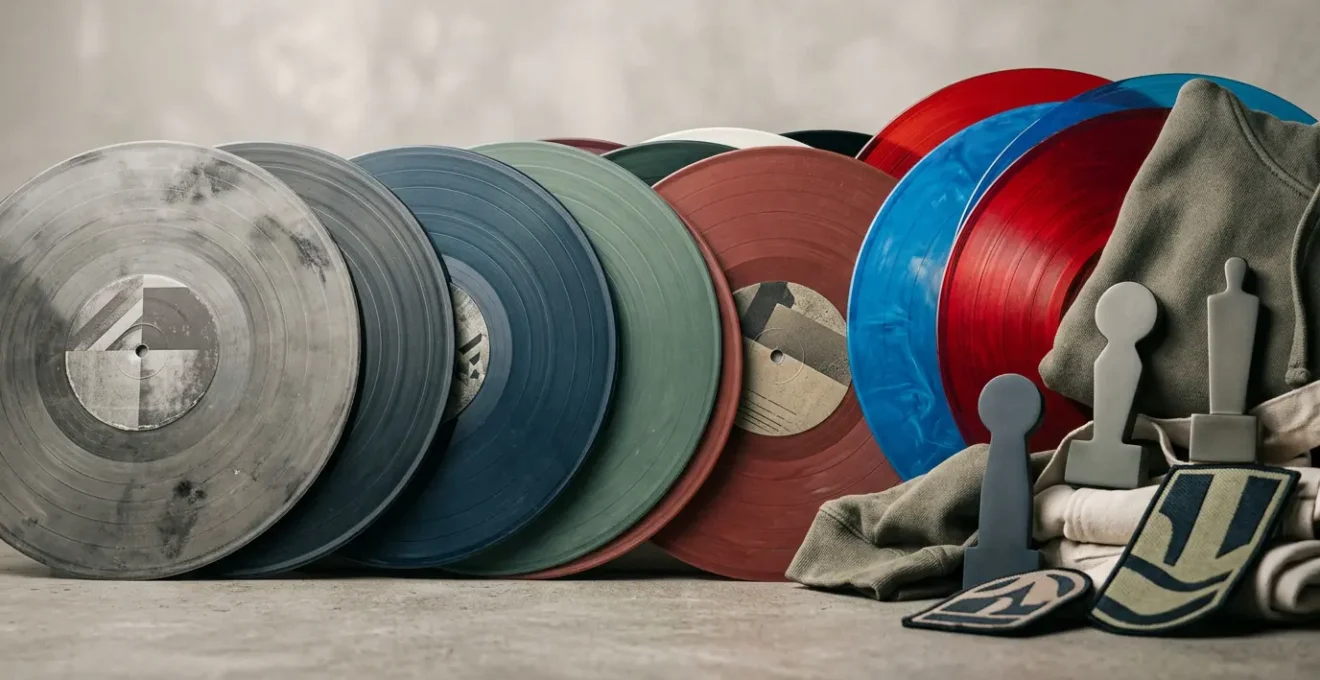
The real profit, however, lies at the top of the matrix with your superfans. High-margin items like vinyl records or limited-edition signed box sets are not for everyone. They are premium artifacts for your most dedicated supporters—the collectors who value scarcity and a tangible piece of the art. Digital goods, like a PDF booklet of demo lyrics or a collection of B-sides, offer the highest profit margins (95%+) because they have near-zero marginal cost. Understanding this matrix allows you to balance your inventory, minimize risk, and maximize profit by offering the right product to the right fan at the right time.
This table breaks down the strategic role of different merch items, helping you make informed decisions that actually fund your career.
| Merch Item | Profit Margin | Fan Conversion Potential | Strategic Role | Hidden Costs |
|---|---|---|---|---|
| Stickers | Low (50-70%) | Entry-level casual fans | Gateway item for brand visibility | Low inventory risk |
| Standard T-Shirt | Mid (40-60%) | Mid-tier engaged fans | Public identity declaration (‘tribe uniform’) | Inventory risk (sizes, colors), shipping complexity |
| Vinyl Records | High (60-80%) | Deep superfans only | High-margin premium product for collectors | Long production lead times (3-6 months), storage |
| Limited Signed Vinyl Box Set | Very High (70-85%) | Top 1% superfans | Exclusive artifact, scarcity-driven | Artist time for signing, limited quantity complexity |
| Digital Goods (Demo Collection PDF) | Highest (95-98%) | Engaged superfans | Near-zero marginal cost, instant delivery | Minimal — file creation only |
Key Takeaways
- Move your core audience from « rented » social media platforms to « owned » channels like email lists to build lasting, algorithm-proof relationships.
- Fans pay for more than content; they invest in Status (recognition), Access (interaction), and Insight (behind-the-scenes), which should form the basis of your paid offerings.
- A strategic merchandise plan isn’t about selling one item to everyone, but offering a « ladder » of products—from low-cost stickers to high-margin vinyl—that caters to every level of fandom.
How to Find Your First 1,000 True Fans in an Oversaturated Market?
The concept of « 1,000 True Fans »—the idea that you only need a thousand dedicated supporters willing to spend $100 a year to make a living—is more relevant than ever. In a world of fleeting streams, these are the people who will fund your career. The economic power of this group is immense; a 2025 Goldman Sachs report projected that superfans are projected to generate an extra $4.3 billion annually by 2026. But how do you find them in a market flooded with millions of other artists?
The answer lies in everything we’ve discussed: you don’t *find* them, you *make* them. You build a relationship funnel that systematically nurtures them. Fan engagement expert Dan Goldberg provides a crucial dose of reality: « Superfans comprise only two percent of an average artist’s monthly listeners. » This highlights that you cannot afford to focus only on this small segment; you must build a system that identifies potential superfans from your wider audience and actively cultivates that deeper connection.
Case Study: The Reality of Patreon Success
A 2023 study of top musicians on Patreon revealed a powerful truth about fan conversion. It found that, on average, artists needed at least 17,000 followers on a major social platform to achieve a baseline of 100 paying patrons. This suggests a conversion rate of roughly 1% from social followers to paying members. However, the study also found crucial outliers: some artists with as few as 3,000 highly-engaged followers had over 300 patrons. This proves the core thesis of the relationship funnel: the depth and quality of your fan engagement are infinitely more valuable than the sheer size of your follower count.
Finding your 1,000 true fans is not a scavenger hunt; it is an act of architecture. It’s about consistently providing value through your owned channels, offering meaningful layers of paid engagement through the S.A.I. framework, protecting your energy with healthy boundaries, and creating memorable engagement loops. Each step is a filter, identifying those who are willing to go deeper with you. It’s a slow, deliberate process that values quality of connection over quantity of listeners. This is how you build a career that doesn’t just survive, but thrives.
Stop chasing the algorithm and start building your community. Begin today by identifying one action you can take to move a listener one step deeper into your world—whether it’s writing your first personal email, designing a low-cost sticker, or planning your next Spotify Canvas.